Why Choose a Sensor Light Curtain for Enhanced Safety?
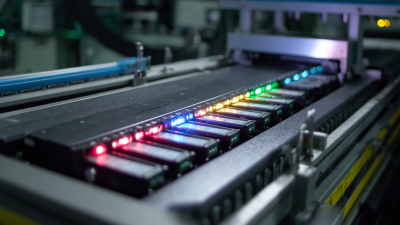
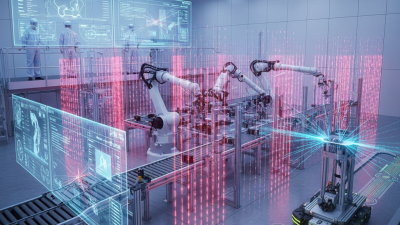
In today’s fast-paced industrial environments, safety remains a top priority. The Sensor Light Curtain offers a practical solution to enhance workplace safety. These devices create an invisible barrier, detecting motion and preventing accidents. They are essential in protecting workers from machinery hazards.
Safety compliance is more than a requirement; it’s a moral duty. Utilizing Sensor Light Curtains can dramatically reduce workplace injuries. These systems are designed to respond quickly, ensuring immediate action when someone enters a danger zone. However, relying solely on technology may not suffice. Training employees on safety protocols remains crucial.
Investing in Sensor Light Curtains symbolizes a commitment to safety. Yet, some still wonder about their effectiveness. Users must regularly evaluate their performance. Periodic assessments are essential to ensure they function optimally. Balancing technology with human awareness is key to a safer work environment.
Benefits of Using Sensor Light Curtains in Workplace Safety
In today’s fast-paced workplaces, safety is paramount.
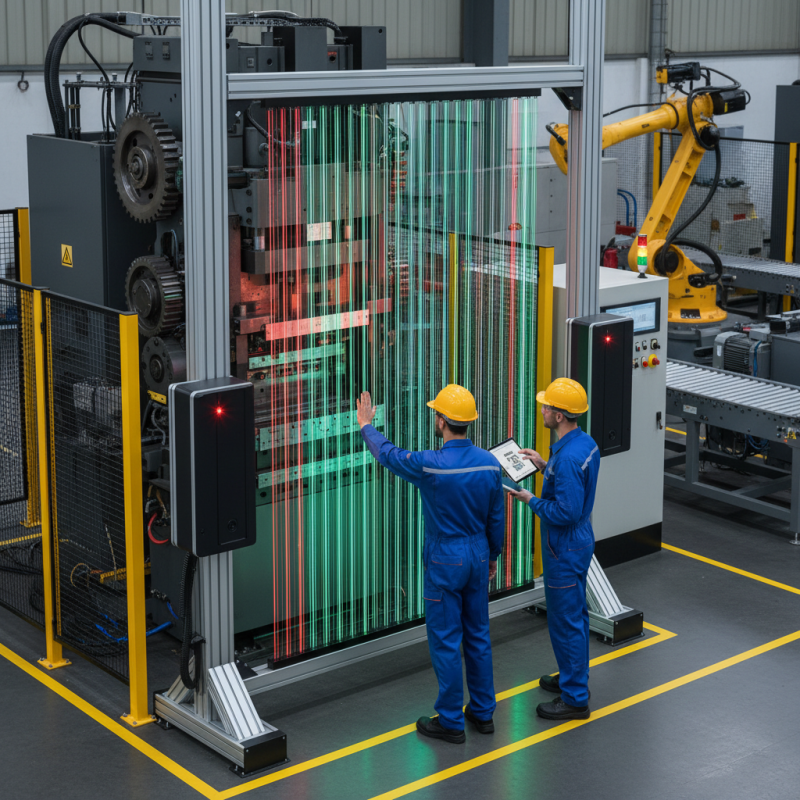
Sensor light curtains provide a significant advantage in protecting workers. These devices create an invisible barrier that detects human presence.
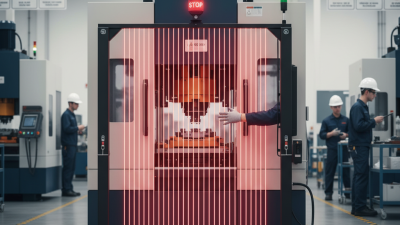
When someone enters a hazardous area, the system immediately stops machinery. This rapid response can prevent serious injuries.
Implementing sensor light curtains fosters a safer environment. They are often used near heavy machinery and automated systems. Employees can work with more confidence,
knowing there's an added layer of protection. However, not all setups are perfect. Calibration may be needed to ensure accuracy.
Improper setup can lead to accidental machine stops, which disrupt workflow.
Moreover, regular maintenance is essential. Dust and debris can impair functionality. Workers may also develop complacency over time,
leading to negligence. Training is important to ensure everyone understands how these systems function. A disconnect can create risks instead of reducing them.
Continuous evaluation is key to maximizing the benefits of sensor light curtains.
How Sensor Light Curtains Function to Prevent Accidents
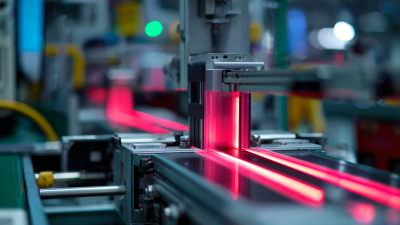
Sensor light curtains are essential for enhancing safety in various environments. They consist of a series of interconnected sensors that detect movement within their range. When an object or person interrupts the light beams, the system triggers an immediate response, often halting machinery or activating safety alarms. This quick reaction can prevent accidents and injuries in industrial settings and other high-risk areas.
These systems are designed to provide a safety barrier without physical obstruction. This can be particularly useful in workspace efficiency. However, they may sometimes require adjustments to minimize false alarms. For instance, environmental factors like dust or lighting can affect sensor accuracy. It's crucial to ensure regular maintenance and calibration. Ensuring their effectiveness often sparks discussions on potential over-reliance on technology. While they provide an additional layer of safety, human oversight remains necessary. Understanding their strengths and limitations can enhance workplace safety protocols significantly.
Sensor Light Curtain Safety Effectiveness
Different Applications of Sensor Light Curtains in Industrial Settings
In industrial settings, sensor light curtains are proving essential for ensuring safety. They act as invisible barriers that detect the presence of personnel near hazardous machinery. According to industry reports, facilities using these systems have reported a
50% reduction in accidents. This statistic highlights their effectiveness in creating safer work environments.
Sensor light curtains find applications across various sectors. In manufacturing, they protect workers from moving parts. In packaging lines, they prevent accidents during automated processes. A study showed that
70% of companies benefit from their implementation, increasing productivity while maintaining safety. These curtains are also used in robotics, allowing machines to operate safely around human workers.
Despite their advantages, challenges remain. Misalignment can lead to false readings, causing operational delays. Workers may also bypass safety measures, believing they are invulnerable. Regular training and system checks are necessary to address these shortcomings. Continuous improvement in safety protocols enhances the overall effectiveness of sensor light curtains, ultimately fostering a secure work environment.
Comparing Sensor Light Curtains to Traditional Safety Measures
Sensor light curtains offer a modern alternative to traditional safety measures. Unlike physical barriers, which can obstruct workflow, light curtains provide a non-intrusive safety solution. They use infrared beams to detect objects and people within their range. This technology allows for immediate response to potential hazards, enhancing workplace safety.
Traditional safety measures often include cumbersome guards or fences. They can hinder access and slow down operations. In contrast, light curtains facilitate seamless movement without compromising safety. Workers can operate machinery without constant physical barriers, promoting efficiency. However, some may wonder about the reliability of such technology. Are there blind spots? Do they function effectively in various lighting conditions? These are valid questions that require careful consideration.
While sensor light curtains improve safety, they also demand proper installation and maintenance. A misalignment can render them ineffective. Regular checks are essential to ensure they work correctly. Businesses must weigh their options and consider the implications of adopting this technology. Each choice has pros and cons that need reflection. Ensuring a safe environment is crucial, but so is maintaining operational efficiency.
Key Considerations When Selecting a Sensor Light Curtain System
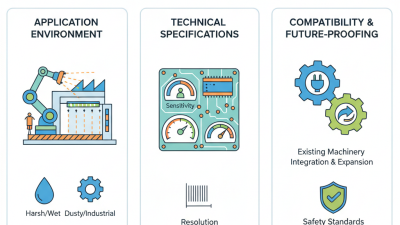
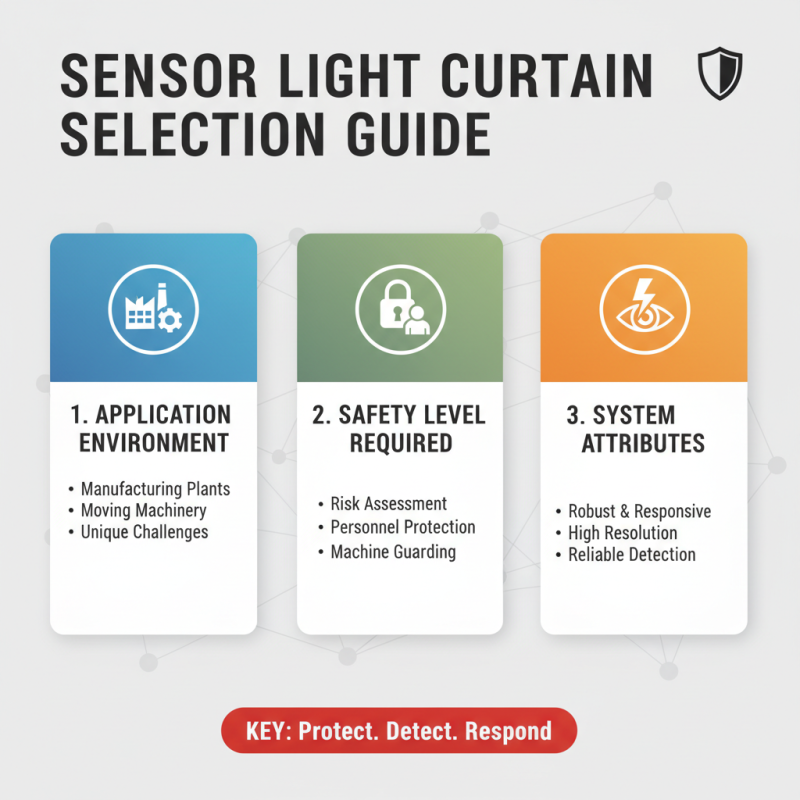
When selecting a sensor light curtain system, consider the application environment. Understand the level of safety required. Different environments pose unique challenges. For instance, manufacturing plants may have moving machinery close to workers. Here, a robust and responsive light curtain is vital.
Evaluate the specifications of each system. Pay close attention to height, width, and response time. A system that's too small may fail to protect adequately. Conversely, a system that's overly complex might confuse operators. User-friendliness is crucial and often overlooked. Features may seem advanced but can hinder quick understanding.
Also, assess installation requirements and maintenance needs. A complicated setup can lead to errors. Some systems may require frequent recalibration. This can be a nuisance and lead you to neglect regular checks. Over time, this could compromise safety. Reflect on your team's ability to maintain the system effectively. Always ask, are we prepared to handle this technology?