How to Choose the Best Safety Mats for Your Home and Playground Setup
When it comes to ensuring the safety of your home and playground environments, the choice of Safety Mats plays a crucial role. According to the National Safety Council, falls are one of the leading causes of unintentional injuries, contributing to nearly 8 million emergency room visits annually. Properly installed safety mats can significantly reduce the risk of injuries from falls, providing a cushioned surface that absorbs impact, thereby enhancing safety for both children and adults.
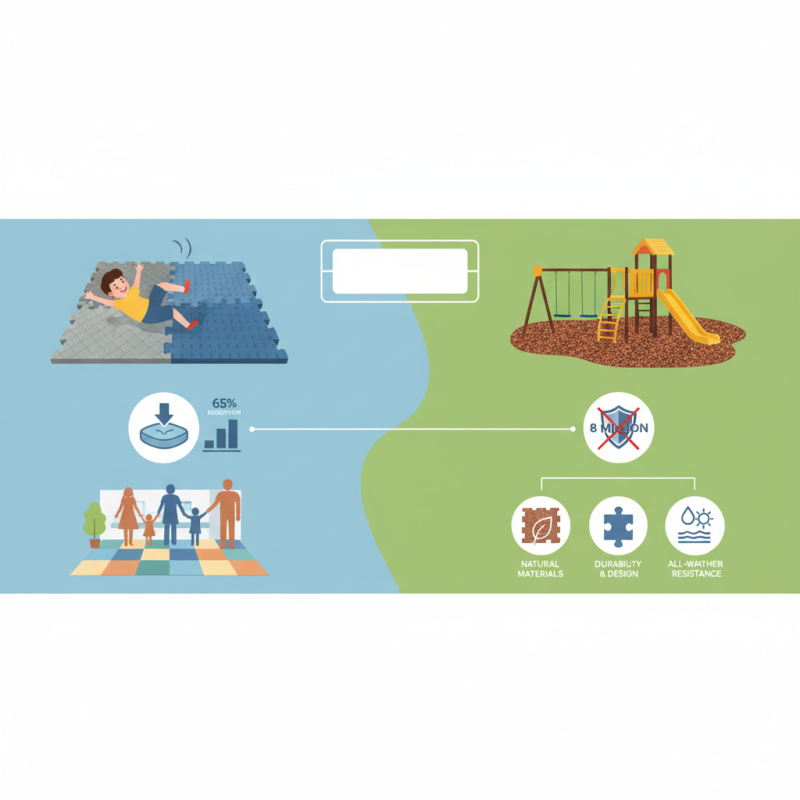
In recent years, the demand for high-quality safety mats has led to advancements in materials and designs that not only prioritize safety but also cater to aesthetic preferences. A report by the Consumer Product Safety Commission indicates that playgrounds equipped with appropriate safety surfacing can decrease the likelihood of severe injuries by up to 65%. As homeowners and playground designers become more aware of these statistics, the selection of Safety Mats has become a critical aspect of creating a safe play environment. This article will guide you through the key considerations in choosing the best safety mats tailored to your specific needs.
Understanding the Importance of Safety Mats for Homes and Playgrounds
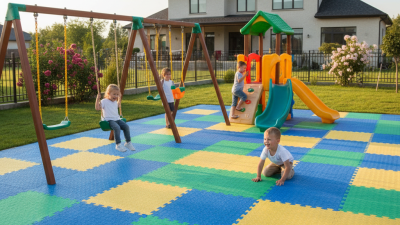
When it comes to creating a safe environment for children at home and in playgrounds, safety mats play a crucial role. These mats provide a cushioning surface that can significantly reduce the risk of injuries from falls, which is especially important in areas where kids frequently engage in play. Whether they're used beneath swings, slides, or in playrooms, the right safety mats can absorb impact and protect young ones as they explore and enjoy their surroundings.
Tips for choosing the best safety mats:
- Material and thickness: Look for mats made from high-quality, impact-absorbing materials that can withstand the wear and tear of outdoor use.
- Non-slip surfaces: Consider mats with non-slip surfaces to prevent accidental slips while children run and play.
- Size and coverage: Evaluate the size and coverage of the matting; larger areas will provide better protection and keep play zones safe.
Another key tip is to regularly inspect the mats for any signs of wear or damage. Over time, even the best mats can degrade, so routine checks can help ensure they remain effective in providing safety. Additionally, think about ease of cleaning and maintenance, as hygiene is essential, especially in areas where children play. By integrating these considerations, you can enhance the safety of play environments both at home and in public spaces.
Types of Safety Mats: A Comprehensive Overview for Various Uses
When it comes to safety mats, understanding the various types available is essential for both home and playground setups. Safety mats not only provide a cushion against falls and impacts, but they also contribute to the overall safety of the environment. Different types of mats serve specific purposes, ranging from foam mats for home play areas to rubber mats designed for outdoor use. Each material has its unique benefits, making it crucial to choose wisely based on your needs.
For indoor spaces, interlocking foam mats are popular for their versatility and ease of installation. They offer excellent shock absorption and are available in various colors and patterns, making them visually appealing for children’s play areas. On the other hand, outdoor playgrounds often benefit from rubber safety mats, which can withstand varying weather conditions while providing a safe landing surface. These mats are often engineered to meet specific safety standards, ensuring maximum protection for children at play.
Tips for selecting the right safety mat include assessing the age of the users and the types of activities that will take place. For energetic play, opt for thicker, high-density mats that can absorb greater impact. Additionally, consider the mat's maintenance requirements; some materials may need regular cleaning or upkeep to sustain their protective qualities. Always ensure that the mat is installed correctly to avoid any slips or trips that could compromise safety.
How to Choose the Best Safety Mats for Your Home and Playground Setup
| Type of Safety Mat |
Material |
Thickness |
Ideal Use |
Safety Rating |
Weight (per sq ft) |
| Foam Mat |
EVA Foam |
1 inch |
Indoor Play Areas |
ASTM 1292 |
2 lbs |
| Rubber Mat |
Recycled Rubber |
3/4 inch |
Outdoor Playgrounds |
ASTM 1292 |
4 lbs |
| Artificial Grass Mat |
Synthetic Fibers |
Varies |
Backyards, Sports Fields |
ASTM 1292 |
3 lbs |
| Interlocking Tiles |
Rubber or Foam |
1 inch |
Gyms, Play Areas |
ASTM 1292 |
3.5 lbs |
Key Features to Consider When Choosing Safety Mats
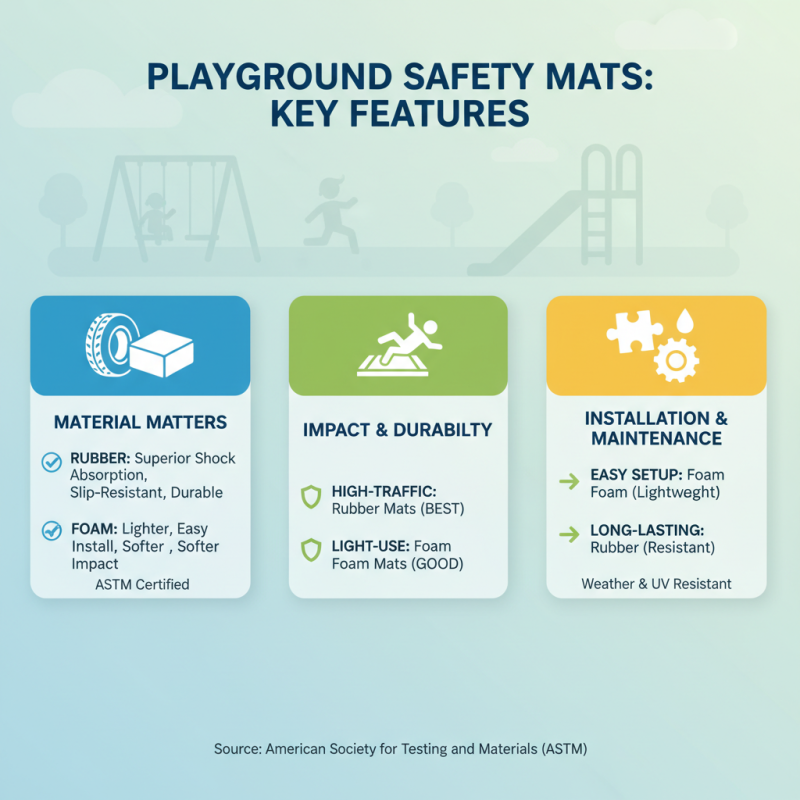
When selecting the best safety mats for your home and playground setup, there are several key features to consider. Firstly, the material of the mats is crucial, as it directly affects durability and safety. Common materials include rubber, foam, and vinyl, each offering distinct benefits. According to the American Society for Testing and Materials (ASTM), rubber mats provide superior shock absorption and slip resistance, making them ideal for high-traffic areas. Furthermore, foam mats, while lighter and easier to install, may not withstand heavy impacts as effectively as rubber.
Next, the thickness and density of the mats play a significant role in their protective capabilities. Research indicates that mats with a thickness of 2 inches or more can significantly reduce the risk of injury from falls, particularly in playground environments. Additionally, the surface texture is important for ensuring grip and preventing slips; textured surfaces tend to perform better in both wet and dry conditions. A study by the National Association of State Park Directors reveals that 35% of playground injuries are caused by falls, highlighting the need for high-quality mats that meet or exceed safety standards. Therefore, choosing safety mats that offer a combination of durable materials, appropriate thickness, and proper surface texture is essential for ensuring a safe environment for children and adults alike.
How to Properly Install Safety Mats for Maximum Protection
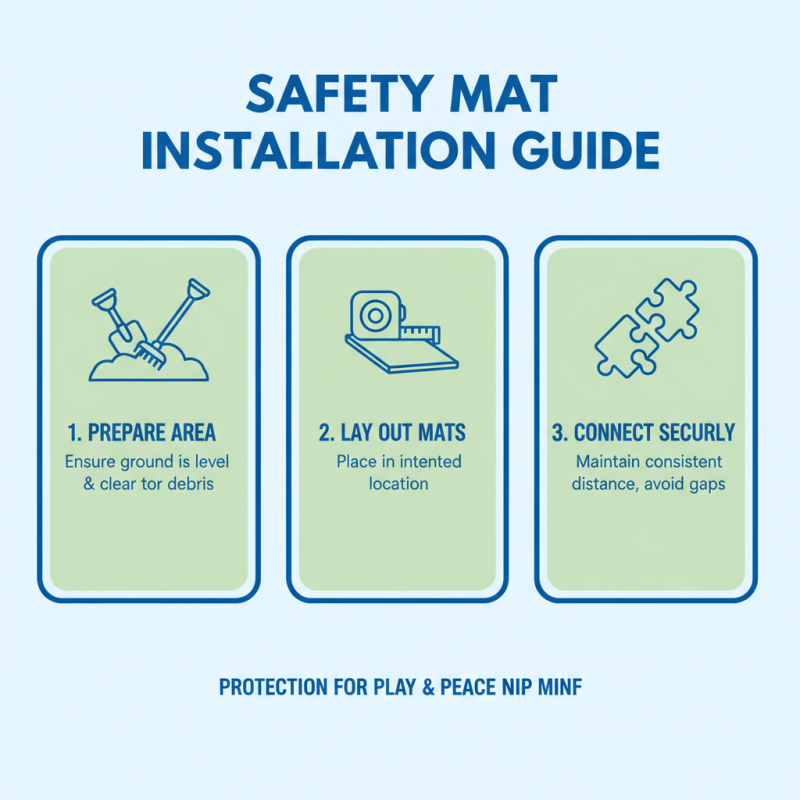
Proper installation of safety mats is crucial to ensure maximum protection for both children and adults in home and playground settings. Before you begin, it's essential to prepare the installation area by ensuring the ground is level and free of debris. Begin by laying out the safety mats in the intended location. It’s advisable to maintain a consistent distance between each mat to avoid gaps that could pose a tripping hazard.
When it comes to securing the mats, there are several methods to consider. For permanent installations, using adhesive or anchor systems can help keep the mats in place during play. If the mats are intended to be temporary, heavy-duty tape can serve to stabilize them without permanent alterations to the surface beneath. Additionally, consider the edges of the mats; beveled edges can minimize tripping risks while maximizing the overall fluidity of the play area. Checking regularly for any signs of wear and tear is equally important to ensure continued safety for users.
Maintaining and Caring for Safety Mats: Best Practices and Tips
Maintaining and caring for safety mats are crucial for ensuring their longevity and efficacy in protecting against accidents, especially in playgrounds and home environments. According to the American National Standards Institute (ANSI), regularly cleaning safety mats can significantly reduce the risk of slips and falls, enhancing the overall safety of the area. It is recommended to inspect the mats weekly for any signs of wear and tear, such as cracks or uneven surfaces, which could compromise their protective qualities. Routine cleaning with suitable non-toxic cleaning solutions can help prevent the buildup of dirt and contaminants, ensuring that the mats remain effective.
In addition to regular cleaning, proper installation and placement of safety mats play an essential role in their maintenance. The National Program for Playground Safety emphasizes that mats should be installed according to manufacturer guidelines to prevent movement or shifting over time. Additionally, ensuring that the mats are adequately secured will help maintain their integrity, providing consistent protection against falls. Regular inspections for moisture accumulation, as trapped water can lead to mold growth and reduce the mat's lifespan, are also necessary. By adhering to these best practices, homeowners and playground operators can ensure a safer environment for children and visitors alike.